


During the procurement process of thermal insulation pipes, customers' concerns often focus on several core aspects. The following is a summary of the five most frequently asked questions by customers in daily interactions for purchasers' reference.
1. Why is the price higher than others?
This is a problem that every insulated pipe manufacturer will encounter. When customers say the price is high, there are usually two reasons: First, the price is indeed much higher than that of similar manufacturers, which requires manufacturers to review their own costs; second, the customer's price reduction strategy actually does not think it is expensive, but they just want a lower price. When comparing quotations, it is recommended that buyers not only look at the unit price but also pay attention to whether key indicators such as foam density, thermal conductivity, closed-cell ratio, and carbon black content of the outer protective tube meet the standards. The price is abnormally low, which often means that a certain link has been discounted.
2. How many years can the insulation pipe be used?
This is one of the biggest concerns of customers. According to industry standards, under normal use conditions, the service life of qualified prefabricated direct-buried insulated steel pipes can reach 15 to 25 years, depending on the use pressure, soil corrosion degree, and subsequent maintenance. The service life of polyurethane insulation pipes is affected by three factors: material quality, production process, and installation quality. When purchasing, you need to pay attention to whether the manufacturer has a complete quality control system and testing capabilities, which are directly related to whether the product can reach the design life.
3. How to judge whether the quality is good or not?
The biggest fear when purchasing insulation pipes is "low price and low quality". When purchasing, it is recommended to focus on three core indicators: the density of the insulation layer should be no less than 60kg/m³, the obturator rate must exceed 90%, and the thermal conductivity should meet the standard requirements; the thickness of the outer protective pipe should be at least 4.5mm, and virgin polyethylene materials are more durable than recycled materials; check whether the manufacturer implements the GB/T 29047-2021 national standard and whether it provides a third-party testing report. If possible, it is recommended to conduct an on-site inspection of the manufacturer's production line and testing equipment. Procurement pain points mainly include problems such as eccentricity or uneven thickness of the insulation layer, premature cracking of the outer protective pipe, and difficulty in controlling the quality of on-site repairs.
4. The sample looks good, but why can't it be used in batches?
Good sample quality does not mean that the entire batch is good. The reasons for this problem include: polyurethane's high-temperature creep failure leads to low compressive strength and poor thermal insulation performance; changes in ambient temperature and humidity during the production process affect foaming quality; some manufacturers reduce the frequency of testing or even skip testing during batch supply. The terms for random on-site sampling and inspection should be stipulated in the contract when purchasing.
5. What are the manufacturer's supply capacity and after-sales service?
Insulated pipes are non-standard products. Customers rely more on manufacturers for daily maintenance of pipe networks, and both parties have a stable cooperative relationship. When purchasing, you need to pay attention to whether the manufacturer holds ISO9001 quality management system certification, whether it has similar project performance, and whether after-sales responsibilities are clear. Before purchasing, you can first clarify the qualification requirements, delivery period, and budget range of the project, and then select qualified manufacturers accordingly.
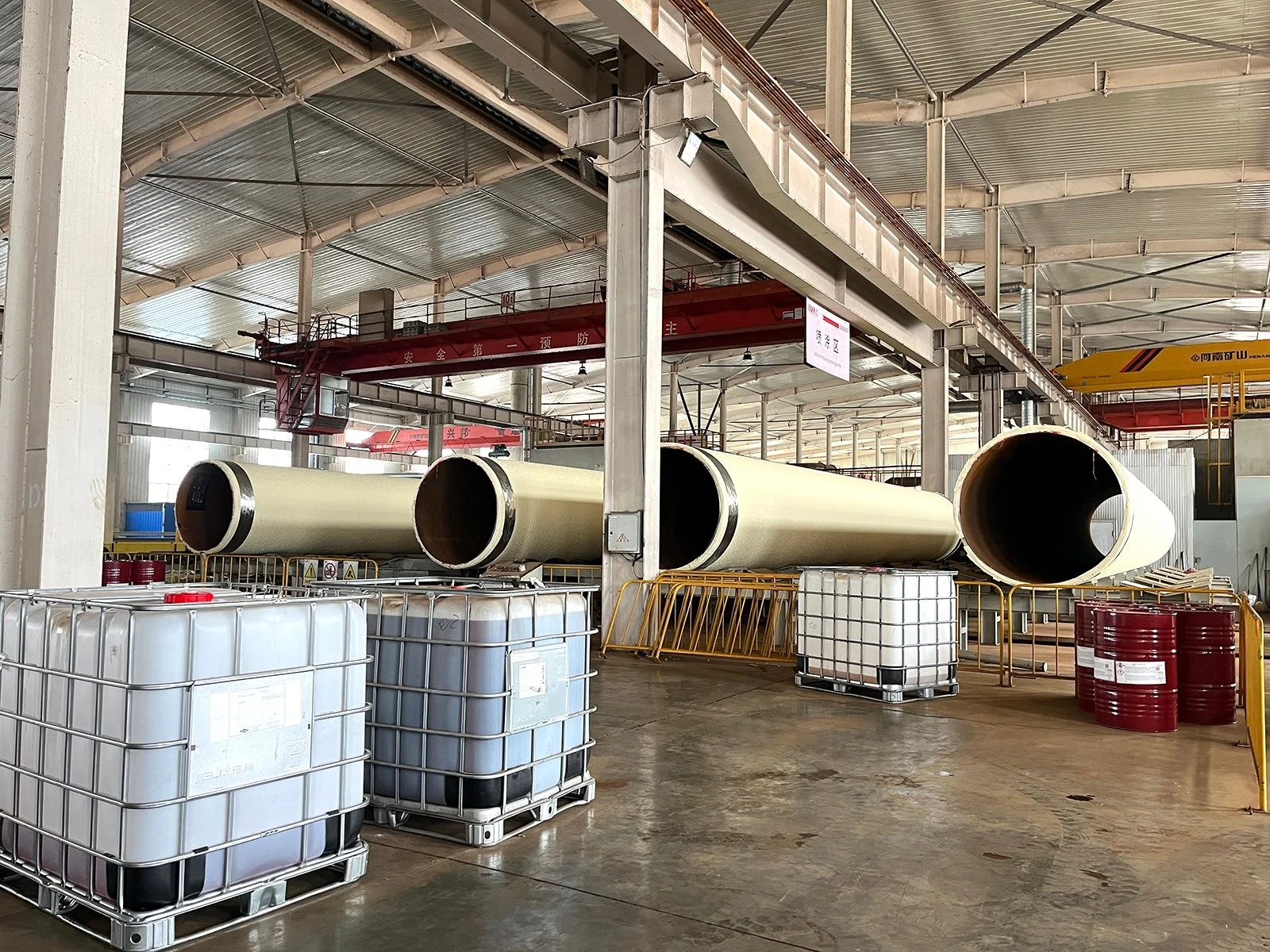
These five questions basically cover the aspects that customers are most concerned about when purchasing insulation pipes - price, lifespan, quality, sample differences, and manufacturer strength. Once these issues are clarified, purchasing decisions will have a basis.