


The pipeline in the valve well is not as simple as a straight pipe section - there are many special-shaped parts such as elbows, tees, reducers, valves, and compensators. It is impossible to directly use factory-prefabricated directly buried insulated pipes and needs to be processed on site. These parts are exactly where problems are most likely to occur in the entire pipeline.
The insulation layer of the straight pipe section is poured and molded in one go in the factory, and the quality is controllable. However, the special-shaped parts and insulation layers in the valve well need to be made on site, and there are several main methods. For variable-diameter pipe sections, fan-shaped insulation products can be used for wrapping. For components with complex shapes such as valves and flanges, they can be cut with flexible insulation materials (such as ceramic fiber felt, airgel felt), wrapped in multiple layers, and then fixed with an aerogel sheath. Some projects will use prefabricated insulation shells - the insulation shells are pre-made in the factory according to the shape of the special-shaped parts and installed directly on site.
The difficulty in insulating the valve well is sealing. The patching of the straight pipe section is already weak enough. There are more special-shaped parts and joints in the valve well, making sealing more difficult. If the seal is not tight, standing water and moisture in the well will seep into the insulation. The valve well is a place where water easily accumulates - rainwater backflow, groundwater infiltration, and water-containing operations during maintenance may cause long-term moisture in the well. Therefore, in addition to the insulation layer itself, the waterproof sealing of the outer protective layer is also critical for the insulation in the valve well. Some projects will apply waterproof coating or wrap waterproof membrane outside the insulation layer.
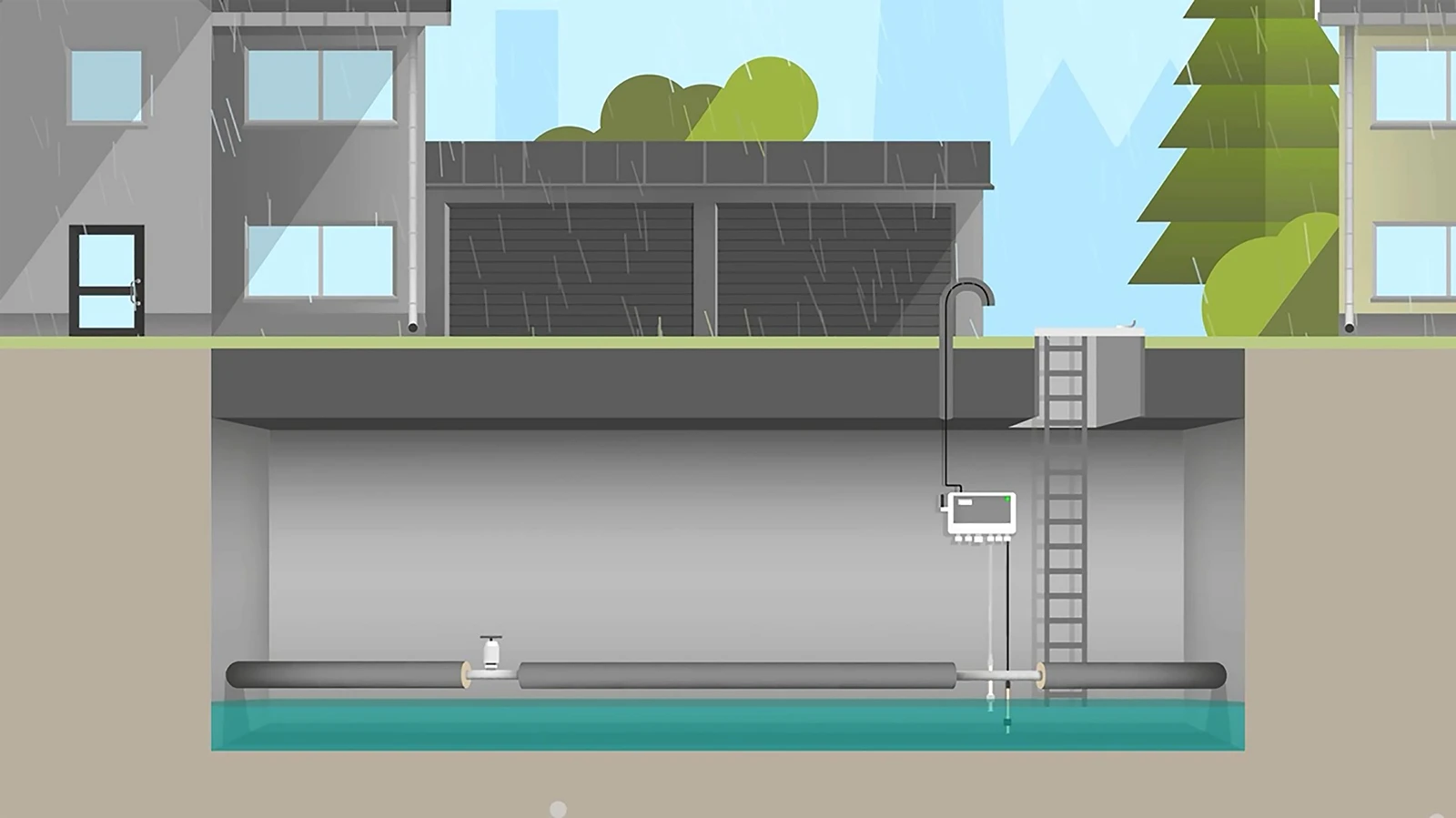
The space inside the valve well is small, making it inconvenient to operate, and the construction quality is even more difficult to guarantee. This is why many pipe network leaks first occur near valve wells - there are many special-shaped parts, difficult sealing, and a humid environment, all three factors superimposed. Paying enough attention to the insulation in the valve well during the design and construction stages can save a lot of trouble later.