


District Heating Piping

XBPP-Your Professional District Heating Piping supplier
District heating piping serves as the backbone of modern district heating networks. It transports hot water or steam from a central heat source to residential, commercial, and industrial facilities with minimal heat loss. XINGBANG’s prefabricated insulated district heating pipes consist of three core components—a pressure-bearing steel pipe, a polyurethane foam insulation layer, and a high-density polyethylene (HDPE) outer casing—ensuring heat is retained within the pipe rather than dissipated underground.
What is District Heating Piping?
District heating piping is a type of prefabricated, factory-insulated piping system used to transport hot water or steam within a district heating network—distributing heat generated at a central source to individual buildings within a designated area.
Each heating pipe consists of three essential components:
Pressure-bearing steel pipe
Provides structural strength to withstand operating pressures and the pipe's own weight.
Polyurethane foam insulation layer
Offers excellent thermal insulation, minimizes heat loss, and maintains temperature stability throughout the heating cycle.
HDPE outer casing
Protects the insulation layer from moisture, corrosion, UV radiation, and mechanical damage, ensuring long-term durability.
Because the three-layer structure is formed in a single process under controlled factory conditions, prefabricated insulated pipes offer superior energy efficiency, easier installation, and more reliable long-term performance compared to on-site insulation methods.
What are the product advantages?
Excellent thermal insulation
The polyurethane foam insulation prevents temperature fluctuations and heat transfer, reducing energy consumption and operating costs. Thermal conductivity is ≤0.033 W/(m·K), with a closed-cell rate of ≥88%.
01
Robust durability and long service life
Designed for a service life of decades, these pipes operate reliably even in harsh underground and outdoor environments. The design service life is up to 30 years.
02
Fast and convenient installation
Factory prefabrication and customizable dimensions accelerate construction schedules and reduce on-site labor costs.
03
Environmentally friendly
The pipes are free from harmful substances such as chlorofluorocarbons (CFCs), meeting the requirements for sustainable infrastructure projects.
04
What products are included?
District heating piping represents our core product category for district heating networks. This category comprises six complementary product lines that collectively cover the entire piping system—from carrier pipes and fittings to field joints:

Directly buried insulated pipe
Prefabricated insulated pipe designed for direct underground burial; it protects district heating networks from soil loads, moisture, and corrosion, serving as the standard choice for both main and branch lines in urban district heating systems. (Production range: DN300–DN1600 mm; annual capacity: 1,000 km.)

Aboveground insulated pipe
Insulated pipe installed on supports, pipe racks, or in utility galleries to facilitate inspection and maintenance; commonly used for overhead steam and hot water pipelines in industrial complexes and utility corridors.

Yellow jacket insulated pipe
Prefabricated insulated pipe featuring a yellow HDPE outer casing; a standard product widely recognized in overseas district heating markets, the yellow casing offers high UV resistance and ensures easy identification of the heating network.

Pre-insulated composite plastic pipe
Uses composite plastic pipe instead of steel for the carrier pipe; offers excellent corrosion resistance and is suitable for applications involving corrosive media or environments where steel pipes are prone to corrosion and degradation.

Insulated fittings
Factory-prefabricated insulated elbows, tees, reducers, and fixed supports designed to complement the piping system, ensuring consistent insulation performance at every connection point.

Insulation joint assembly
Prefabricated joint kits and sealing materials for field connections; these ensure a continuous, leak-free insulation layer at the points where pipe sections are joined on-site.
The six product lines are designed as a comprehensive district heating piping system—with straight pipes, fittings, and field joints all sourced from a single manufacturer—thereby simplifying the procurement process and ensuring consistent quality across the entire network.
The specific products are showcased below:
Products

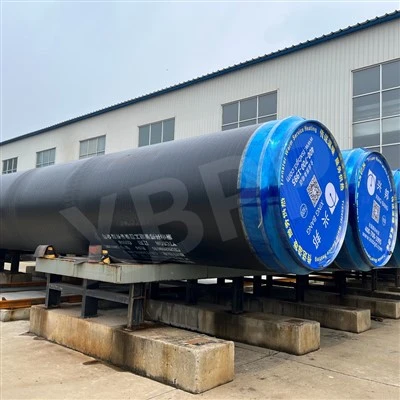


Where can it be applied?
Steam Transport: Thanks to their excellent thermal insulation and weather resistance, prefabricated insulated pipes are widely used for steam transport in facilities such as power plants and chemical industrial parks.
Hot Water / Municipal District Heating: The seamless insulation structure eliminates thermal bridges, thereby reducing heat loss; the extruded outer casing offers superior waterproofing, making it an ideal choice for municipal district heating networks.
Hot Spring / Geothermal Transport: To handle highly corrosive hot spring water, pipes feature a factory-applied internal anti-corrosion coating; they are widely used in projects transporting hot water from springs or wells to resorts and other facilities.
Customization Services
|
Pipe Diameter |
Full production range from DN25 to DN1800mm, meeting requirements ranging from branch lines to main distribution networks. |
|
Insulation Thickness |
Insulation thickness can be flexibly adjusted based on medium temperature, pipe diameter, and heat dissipation requirements to minimize heat loss. |
|
Operating Temperature |
Standard products are suitable for temperatures ≤120°C (peak ≤140°C); higher temperature ratings can be customized for specific operating conditions. |
|
Pressure Rating |
Covers standard ratings such as 1.6 MPa and 2.5 MPa; custom ratings are available based on project requirements. |
|
Outer Casing Material |
Options include HDPE outer casing (for direct burial) or metal outer casing (for overhead/exposed installation) to suit various installation environments. |
|
Pipe Length |
Individual pipe lengths can be customized based on transportation logistics and on-site installation requirements. |
Customization Process

What are some of our project cases?
Xingbang's heating piping has been widely used in district heating network projects across cities worldwide. Below are some representative examples; please click here to view more.
Ulaanbaatar Copper Mine Infrastructure Project (Mongolia)
Location: Ulaanbaatar, Mongolia
Product: Prefabricated direct-buried polyurethane insulated pipes
Specifications: DN50–DN800
Quantity: 9,000 meters
Design Temperature: 120°C
Design Pressure: 1.6 MPa
Design Service Life: 30 years
Project Highlights: Ulaanbaatar experiences extreme winter cold, severe freeze-thaw cycles, and complex terrain. Xingbang supplied heavy-duty, thick-walled insulated pipes capable of withstanding high surface loads and extreme ground temperature fluctuations, ensuring stable, continuous operation at 1.6 MPa pressure.

Santiago Airport Cooling Supply Project (Chile)
Location: Chile
Product: PIP DCS System (Intelligent Monitoring System for Prefabricated Insulated Pipelines)
Specifications: DN25–DN600
Quantity: 8,000 meters
Project Highlights: As a key transportation hub in South America, Santiago Airport has rigorous requirements for its cooling system. Xingbang custom-engineered specialized insulated pipes to suit the local climate—characterized by hot, dry summers and significant diurnal temperature variations—utilizing a high-pressure foaming process to ensure a void-free insulation layer and effectively minimize cooling transmission losses.

Ho Chi Minh City University Cooling Supply Project (German-funded)
Location: Vietnam
Product: PIP DCS System (Intelligent Monitoring System for Prefabricated Insulated Pipelines)
Specifications: DN50–DN600
Quantity: 6,000 meters
Project Highlights: Constructed to German engineering standards, the project is situated in a hot, humid tropical climate with a high groundwater table. Xingbang utilized heavy-duty HDPE outer casings to fully seal the insulation layer, effectively blocking soil moisture penetration and ensuring the stable transport of chilled water at 4°C–6°C.

About Xingbang

Established in 1995, Tangshan Xingbang Pipeline Engineering Equipment Co., Ltd. is a professional provider of solutions for pipeline thermal insulation and anti-corrosion coating. The company holds multiple prestigious national designations, including "National Manufacturing Champion," "National Key 'Little Giant' Enterprise" (recognized for specialization, refinement, uniqueness, and innovation), and "National Demonstration Enterprise for Green Design of Industrial Products." Located in the Yutian Economic Development Zone, Tangshan City, Hebei Province, the company has a registered capital of RMB 190 million and covers an area of 310,000 square meters. It boasts an annual production capacity of over 3,000 kilometers of anti-corrosion and insulated piping. Its R&D and manufacturing operations encompass five major product series—including anti-corrosion pipes, thermal insulation pipes, steam insulation pipes, and intelligent monitoring systems—comprising over 300 product varieties. The pipeline specifications range from DN25 to DN1800mm, fully meeting diverse customer customization needs.
Company Honors


Our Services
Xingbang provides global customers with comprehensive, end-to-end services ranging from solution design and product customization to on-site technical guidance:
Technical Consultation
Free technical advice, product selection recommendations, and technical documentation.
On-site Service
Dedicated professional service teams assigned to each project, providing one-on-one, point-to-point support throughout the process.
Construction Support
Equipped with specialized on-site vehicles capable of power generation, sandblasting, and high-pressure mechanical foaming to ensure the quality of field joints.
Independent Logistics
An in-house transport fleet ensures timely product delivery, even during challenging periods.
After-sales Support
A regular feedback mechanism addresses operational issues promptly; services include equipment maintenance, overhauls, upgrades, and retrofitting.
Intelligent Monitoring
Utilizing an all-fiber-optic thermal network safety monitoring system co-developed with the Chinese Academy of Sciences (CAS), the system achieves a leak localization error of less than 1.5 meters, significantly enhancing the efficiency of emergency pipeline repairs.
FAQ
Q: What is a district heating pipe?
A: District heating pipes are a piping system used for transporting liquids, primarily hot water, to maintain the temperature and provide heating to homes or other buildings in a district. These pipes are essential components of a district heating system, which is a network of pipelines that distribute heat energy generated at a centralized location to individual buildings within a defined area. District heating systems are commonly found in Europe and are becoming increasingly popular in other parts of the world due to their efficient use of energy and ability to reduce carbon emissions.
Q: What material is used for district heating pipework?
A: Pre-insulated steel pipe is a composite pipe that consists of a working steel pipe, a polyurethane insulation layer, and a polyethylene outer protective pipe. It is designed for use in district heating, cooling, and other projects that require high-temperature and pressure-resistant pipelines. The steel pipe provides the structural strength and durability needed for withstanding the pressure and weight of the system. The polyurethane insulation layer insulates the pipe, reducing heat loss and maintaining consistent temperatures, while the outer polyethylene protective pipe offers extra protection against external factors such as moisture, corrosion, and mechanical damage. Pre-insulated steel pipe offers a cost-effective and reliable solution for a wide range of heating and cooling applications, ensuring efficient heat transfer and longevity of the system.
Q: How to choose district heating piping diameter and thickness?
A: The diameter of district heating pipes can vary from a few millimeters to several meters, depending on the specific application. For industrial and commercial heating systems, larger diameter pipes are typically utilized due to their ability to handle higher flow rates and heat loads. Conversely, smaller diameter pipes are more suitable for residential heating systems as they provide more control over the flow of heat and are generally more cost-effective. The selection of the appropriate pipe diameter is crucial to ensure efficient heat transfer and system performance.
Q: How to choose district heating piping thickness of the insulation layer?
A: The thickness of the insulation layer also plays a crucial role in determining the size of prefabricated insulation pipes. The thickness of the insulation layer can vary from a few millimeters to several inches, depending on the specific application and requirements. For example, thicker insulation layers may be necessary for pipelines operating at higher temperatures or under greater pressure, while thinner insulation layers may be sufficient for lower temperature or pressure-resistant applications. The selection of the appropriate insulation thickness is essential to ensure optimal thermal performance and durability of the prefabricated insulation pipes.
Q: How to choose district heating piping Length and Joint Type?
A: The length of prefabricated insulation pipes can vary significantly, ranging from a few feet to hundreds of feet, depending on the specific application. For longer pipelines, more joints will be required to connect the sections together. The joint types can vary depending on the application, but some of the most common types include insulation tee joints, insulation reducer joints, insulation elbow joints, and insulation fixed bracket joints. These joints are crucial for ensuring a secure and leak-free connection between the pipe sections. The selection of the appropriate joint type and material is essential to ensure the durability and longevity of the prefabricated insulation pipes.
Q: Why insulation is required on heat pipe?
A: 1. Reducing Heat Loss One of the primary reasons why insulation is required on heat pipes is to prevent heat loss. Without insulation, heat will escape from the pipes, resulting in lower efficiency and increased energy consumption. Insulation helps to minimize the heat lost to the surroundings, keeping the heat inside the pipe where it belongs. 2. Minimizing Condensation When the temperature of the heat pipe drops below the dew point of the surrounding air, the water vapor in the air will condense on the surface of the pipe. This condensation represents an additional thermal resistance, reducing the heat transfer capability of the pipe. Insulation helps to prevent the heat pipe's surface temperature from dropping below the dew point, minimizing the condensation problem. 3. Protection Against Damage Heat pipes are susceptible to damage from external factors, such as mechanical impact, temperature fluctuations, or environmental contamination. Insulation acts as a protective layer, shielding the heat pipes from these factors and increasing their lifespan and reliability. 4. Noise Reduction Heat pipes can produce noise due to the rapid expansion and contraction of the working fluid inside the pipe. Insulation helps to dampen the noise, minimizing the disturbance caused by the heat pipe's operation.
Q: Which is a good manufacturer of polyurethane insulation pipes in China?
A: When it comes to Chinese manufacturers of polyurethane insulation pipes, Xingbang Pipeline Engineering Equipment Co., Ltd. is a name that deserves special mention. This company has been a leading manufacturer of high-quality insulation pipes for over 29 years, and has built a solid reputation in the industry. Xingbang specializes in the design and production of various types of insulated pipes suitable for different applications, including oil, gas, and water pipelines. They offer a comprehensive range of services, from customizing pipe specifications to providing installation and after-sales support. What sets them apart is their commitment to quality and innovation. At Xingbang, quality is not just a slogan but a way of life. They understand that the quality of their products directly affects the performance and longevity of the pipelines they are installed in. Therefore, they use only the finest raw materials and advanced manufacturing techniques to ensure that their insulation pipes meet the highest standards of quality. In addition to quality, Xingbang also places a strong emphasis on innovation. They are constantly researching and developing new products and technologies to stay ahead of the competition. They have a dedicated team of experts who are dedicated to finding new ways to improve the performance and efficiency of their insulation pipes. For customers who require high-quality, reliable insulation pipes for their oil, gas, or water pipeline projects, Xingbang Pipeline Engineering Equipment Co., Ltd. is a trusted partner. With their wealth of experience, commitment to quality, and dedication to innovation, they are able to provide customers with the best possible solution for their specific needs.
Q: What is the difference between district cooling pipes and district heating pipes?
A: District cooling pipes are primarily utilized to maintain a consistent low temperature, ensuring optimal comfort and energy efficiency. These pipes are essential in cooling systems, where they transport chilled water to various parts of a building or district, keeping the temperature at a desired level. On the other hand, district heating pipes are designed to transmit hot liquids or steam through a heating system. These pipes are crucial in providing heat to buildings and residences, ensuring a consistent supply of warmth during cold weather. The thickness of the insulation on district heating pipes is generally thicker to better contain the heat within the pipe and prevent energy loss. Ultimately, selecting the appropriate type of insulated pipe depends on the specific needs of each application. For instance, if heat loss is a concern, thicker insulation may be required, while in applications where maintaining a constant low temperature is essential, thinner insulation may be sufficient. It is essential to consider factors like the operating temperature, pipe length, material, and expected lifespan when choosing the most suitable insulated pipe for a given application.
Q: Are there advantages and disadvantages of district cooling pipes?
A: Advantages: 1. High insulation performance: PU insulation pipe can effectively prevent heat transfer, which means it can maintain a stable temperature within the pipe, reducing energy consumption and costs. 2. Easy to install: PU insulation pipe is lightweight and flexible, making it easy to install and transport. This can save labor and time costs. 3. High corrosion resistance: PU insulation pipe has excellent corrosion resistance, which means it can provide a long service life even in harsh environments. 4. Good mechanical properties: PU insulation pipe has good mechanical properties, which means it can withstand external pressure and deformation while maintaining its insulating properties. Disadvantages: 1. High cost: Compared with traditional insulation materials, PU insulation pipe is relatively expensive, which may affect its popularity in some applications. 2. Low thermal conductivity: Under certain temperature conditions, the thermal conductivity of PU insulation pipe may be lower than that of other materials, which may affect the efficiency of heat transfer. 3. Poor fire resistance: PU insulation pipe has poor fire resistance and may release toxic gases when exposed to high temperatures. Overall, the advantages of PU insulation pipe outweigh the disadvantages, making it a popular choice for various applications where insulation performance is essential. However, it is essential to consider the specific requirements of the application when selecting the most appropriate insulation material.
We're well-known as one of the leading district heating piping manufacturers and suppliers in China. If you're going to buy high quality district heating piping, welcome to get quotation from our factory. Also, customized service is available.