


When insulated piping systems fail, attention is usually focused on issues like damage to the outer protective casing or water ingress into the insulation foam. However, there is a more insidious scenario: the steel pipe corrodes from the inside, often resulting in a complete breach by the time the problem is discovered.
Internal corrosion is primarily caused by the properties of the conveyed medium itself. In hot water networks, inadequate water treatment allows dissolved oxygen and carbon dioxide to corrode the pipe's inner wall. In steam pipelines, the steam may carry corrosive gases-such as carbon dioxide or hydrogen sulfide-that similarly attack the inner wall. High temperatures accelerate this process; the higher the temperature, the faster the corrosion reaction and the more rapidly the pipe wall thins.
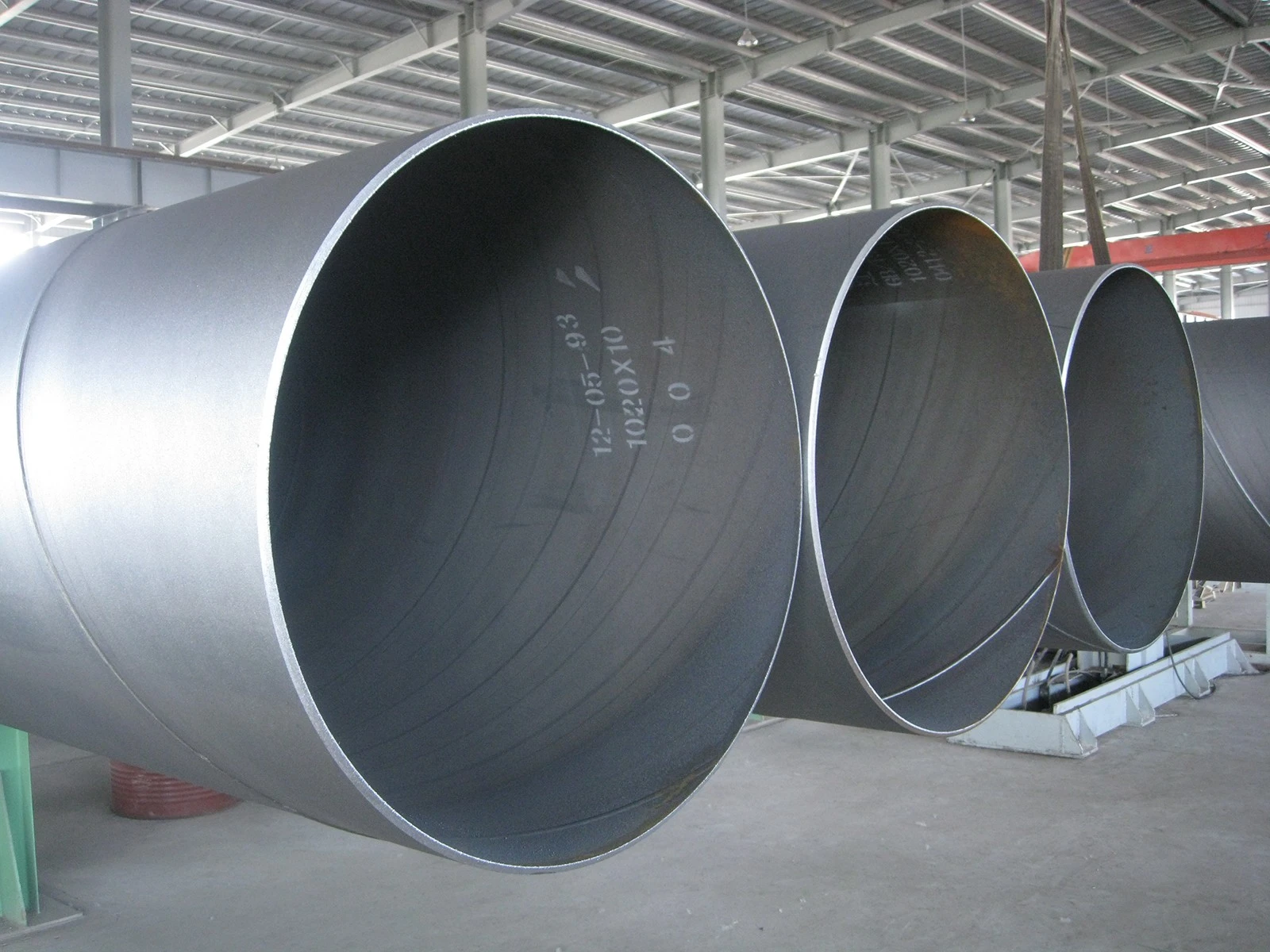
Another factor is inadequate inner wall treatment. While steel pipes undergo rust removal before leaving the factory, the quality of this process varies significantly between manufacturers. If rust removal is incomplete, residual rust and mill scale can serve as initiation points for corrosion. Pitting corrosion observed on the inner walls of some pipelines after years of operation often originates from these microscopic defects.
The danger of internal corrosion lies in the difficulty of detecting it. Issues like outer casing damage or foam waterlogging usually present visible warning signs, such as leak detection alarms or steam rising from the ground. Internal corrosion, however, occurs within the pipe; the wall gradually thins until it can no longer withstand the pressure and suddenly ruptures. Furthermore, internal corrosion is difficult to repair, while external corrosion can often be fixed by excavating and welding a patch; internal corrosion frequently necessitates replacing the entire pipe section.
Preventing internal corrosion relies on three main lines of defense: first, selecting corrosion-resistant pipe materials or applying anti-corrosion coatings to the inner wall; second, adding corrosion inhibitors to the conveyed medium to reduce its corrosiveness; and third, regularly monitoring water quality during operation to keep dissolved oxygen levels and pH values within appropriate ranges. During procurement, it is advisable to pay attention to the inner wall's rust removal grade and anti-corrosion treatment process, as these are critical factors determining the longevity of the pipe's interior.