


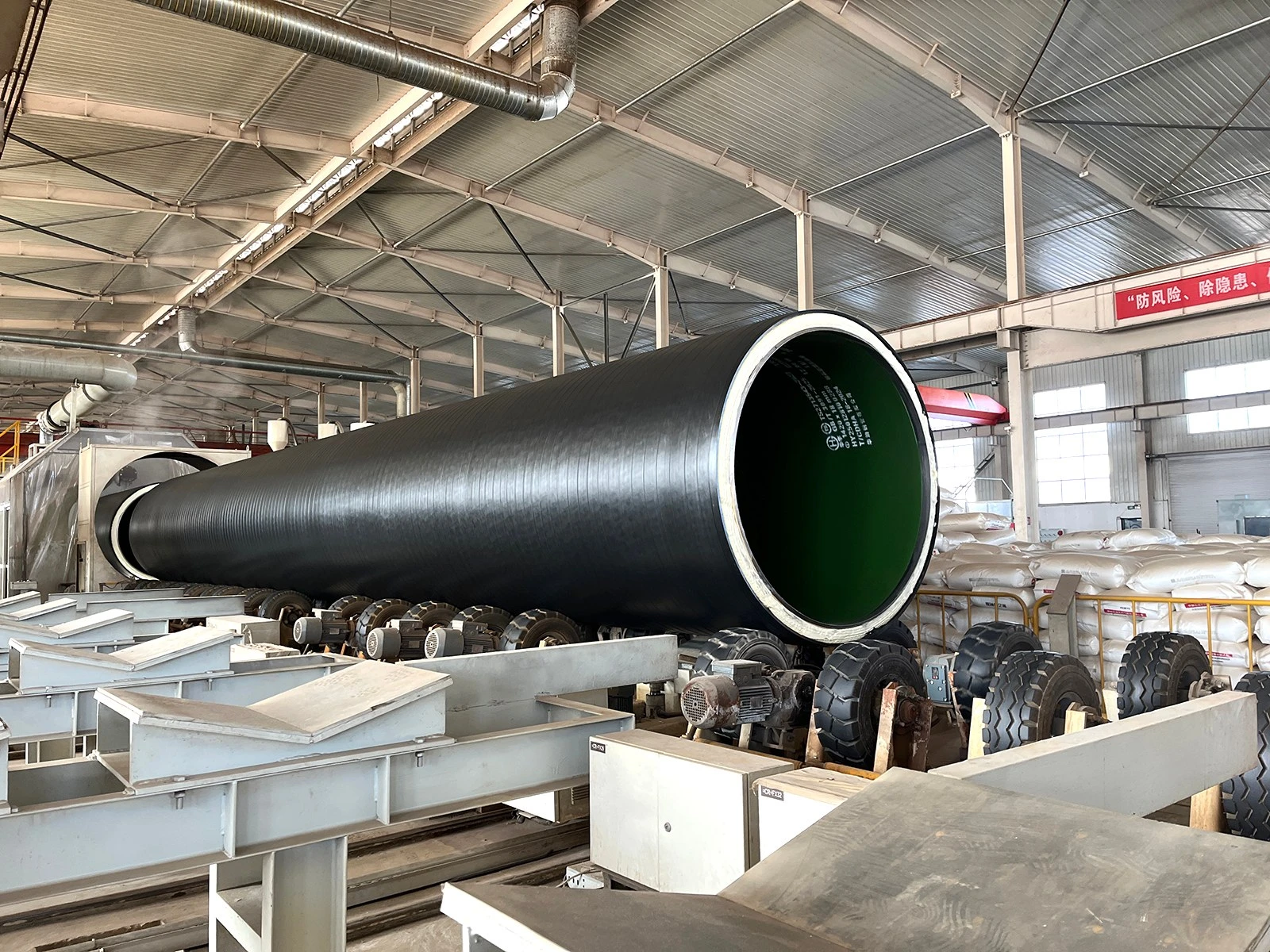
When digging up an insulation pipe that has been in operation for five or six years, you might sometimes see scenes like this: the polyurethane foam is blackened, crumbles easily when squeezed, and even leaks water. Many people's first reaction is "water ingress" or "aging," but upon closer inspection, the root of the problem often lies in an inconspicuous indicator-the closed-cell ratio.
The closed-cell ratio is one of the core parameters for measuring the quality of rigid polyurethane foam. Ideally, polyurethane foam should have a large number of independent, closed-cell air bubbles, each filled with foaming gas with a low thermal conductivity, and these bubbles are not interconnected. This structure effectively blocks heat conduction and acts as a tight barrier to prevent moisture penetration. According to GB/T 29047, the closed-cell ratio of polyurethane foam used for direct-buried insulation pipes should not be less than 88%. If this value is not met, the consequences are numerous.
First, the insulation effect is compromised. In foam with a low closed-cell ratio, a large number of cells are in a connected state, allowing the foaming gas inside to easily escape, while outside air can freely enter and exit. Heat convection and radiation increase, leading to a significant rise in thermal conductivity. For the same pipe diameter and insulation thickness, pipes with an insufficient closed-cell ratio experience considerably higher heat loss compared to those with adequate insulation. Heat is lost during transport, forcing heating companies to burn more fuel to compensate, a cost factored into daily operating costs.
Even more problematic than heat loss is water absorption. Buried pipelines are constantly exposed to damp soil. Even without obvious damage to the outer casing, moisture can seep into the insulation layer through tiny gaps. While foam with adequate closed-cell ratios effectively prevents moisture penetration, once the pores become interconnected, water is absorbed into the foam like a sponge. Water's thermal conductivity is more than twenty times higher than that of still air, causing a precipitous drop in the foam's insulation performance after moisture absorption. More seriously, accumulated water can hydrolyze the polyurethane, causing the foam to soften, acidify, and eventually powder, ultimately losing its structural strength. At this stage, the entire pipeline must be excavated and replaced, with repair costs far exceeding the initial material savings.
Another easily overlooked consequence is accelerated aging. Foam with a low closed-cell ratio has significantly reduced resistance to heat aging. Under the long-term high-temperature operation of heating pipelines, the polymer chains in the foam are more prone to breakage, causing the color to change from yellow to black, and the compressive strength to drop rapidly. Pipelines originally designed for a 30-year lifespan may experience insulation layer collapse and exposed steel pipes in less than ten years.
Therefore, the closed-cell ratio is a crucial factor to consider when purchasing insulation pipes. A difference of just a few percentage points in a formal third-party testing report often determines whether the pipeline will operate stably after five years or require major repairs and replacement.