
Excellent insulation performance
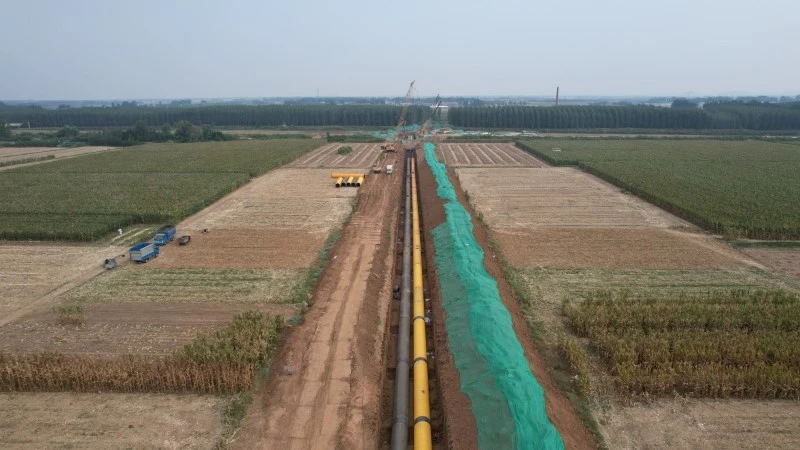
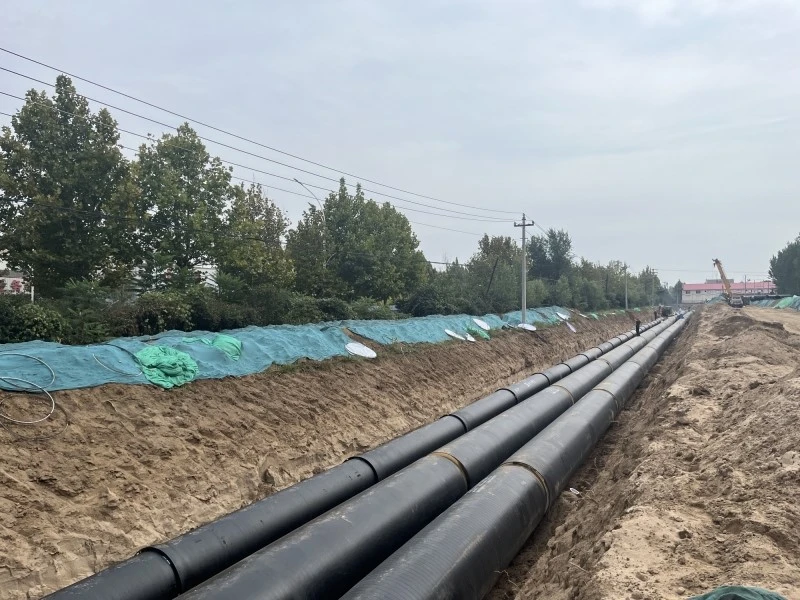
Polyurethane materials have excellent insulation performance, which can effectively isolate the transfer of heat and reduce energy waste. When directly buried, polyurethane directly buried insulation pipes can effectively prevent heat loss and improve the insulation effect of the pipeline.
Strong corrosion resistance
Polyurethane materials themselves have good corrosion resistance and can resist the erosion of various chemicals. In underground buried environments, polyurethane buried insulation pipes can effectively prevent corrosion of soil and groundwater, and extend the service life of pipelines.
Good mechanical properties
Polyurethane materials have good mechanical properties and can withstand large pressures and impacts. When directly buried, polyurethane directly buried insulation pipes can effectively resist external mechanical damage and ensure the safe operation of the pipeline.
Small footprint and fast construction
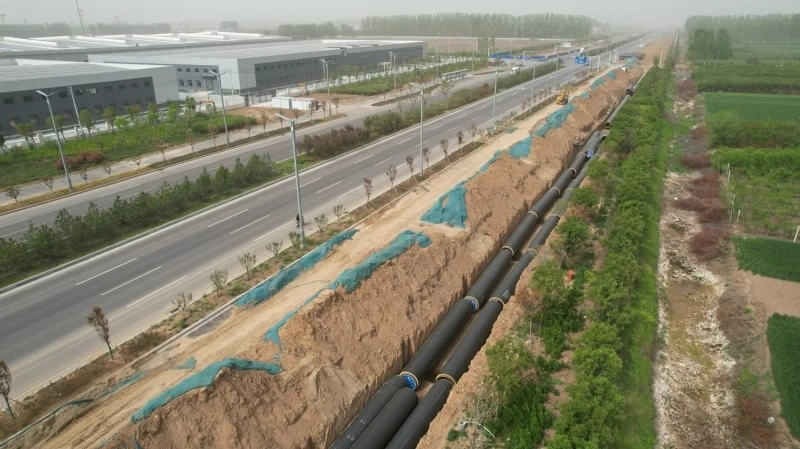
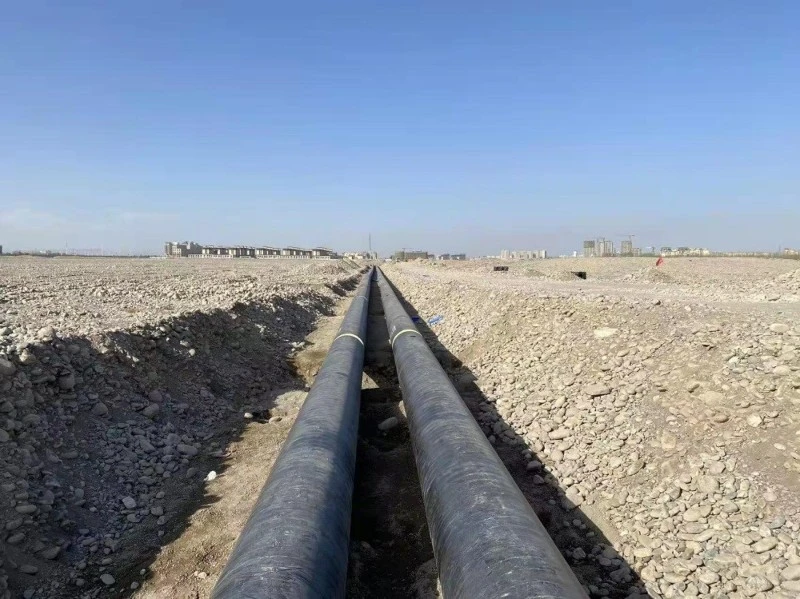
Directly buried laying does not require separate pipe trenches and can fully utilize underground space. Compared with traditional overhead laying, polyurethane directly buried insulation pipes occupy less land, have faster construction speed, and can significantly shorten the construction period.
Easy maintenance
Polyurethane directly buried insulation pipes do not require special maintenance measures during operation. Due to the fact that the pipeline is directly buried underground, it can effectively prevent external environmental interference and reduce maintenance workload.
Environmentally friendly
The production and use process of polyurethane buried insulation pipes is relatively environmentally friendly. Compared with traditional insulation materials, polyurethane materials generate less waste in the production process and do not cause environmental pollution during use.
Economy
In the long run, polyurethane directly buried insulation pipes have good economy. Although the one-time investment is slightly higher than that of traditional insulation pipes, their excellent insulation effect, longer service life, and lower maintenance costs make them have better economic benefits in long-term use.