


Precast direct-buried insulated pipes consist of three layers: a working steel pipe, a polyurethane foam insulation layer, and a high-density polyethylene outer protective pipe. The polyurethane foam is the core component determining the insulation performance, but at both ends of the pipe, the foam layer is exposed, making it the weakest point in the entire pipeline. Waterproof caps are specialized components used to seal these ends.
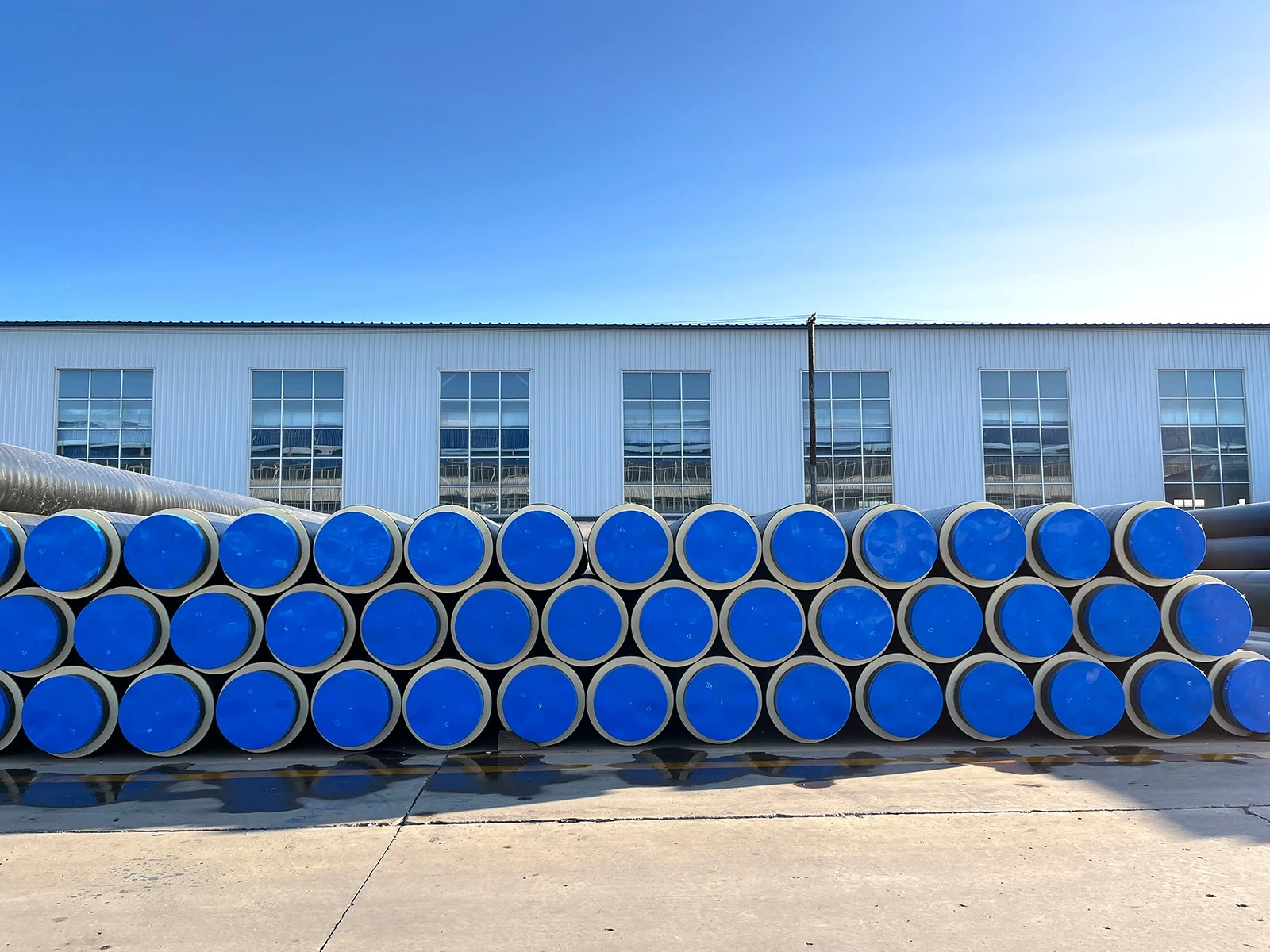
The primary function of waterproof caps is waterproofing. Polyurethane foam has extremely low thermal conductivity in a dry state, resulting in excellent insulation. However, once water enters, the thermal conductivity of water is more than twenty times higher than that of air, causing a sharp decline in the foam's insulation performance. More seriously, polyurethane exposed to a humid environment for a long time will undergo hydrolysis, gradually softening and powdering, eventually completely losing its insulation function and structural strength. During the transportation, storage, and early stages of pipe installation, waterproof caps provide a reliable barrier for the exposed foam ends. Furthermore, if debris such as mud, sand, and gravel falls into the pipe ends at the construction site and is not thoroughly cleaned before sealing, it will directly affect the bonding strength between the old and new foam at the joint. Waterproof caps also prevent the entry of debris. There are standards for the selection and installation of waterproof caps. GB/T 50538-2020, "Technical Standard for Anti-corrosion and Thermal Insulation Layers of Buried Steel Pipelines," stipulates that when the temperature of the transported medium does not exceed 80℃, a radiation cross-linked polyethylene heat-shrinkable waterproof cap should be installed on the end face of the insulated pipe, with an overlap length of not less than 50 mm with the anti-corrosion layer and protective layer. A minimum of 150 mm of space should be reserved at the end of the insulated pipe for jointing operations. During installation, first, place the waterproof cap on the end of the steel pipe, remove any foam powder, and derust the steel pipe to ST3 grade. Clean and roughen the portion of the waterproof cap overlapping the outer protective pipe. Then, preheat the steel pipe and the roughened area to approximately 50℃, insert the waterproof cap, and heat and shrink it evenly circumferentially until the hot melt adhesive overflows evenly. Use a pressure roller to ensure a tight fit.
Waterproof caps also have their applicable conditions. The long-term temperature resistance limit of polyethylene heat-shrinkable waterproof caps is approximately 80℃. When the medium temperature exceeds 80℃, other end-face waterproofing methods, such as waterproof adhesive or waterproof cloth covers, should be selected according to the operating conditions. Furthermore, waterproof caps cannot replace the sealing structure at the joint. After pipe installation, the waterproof cap at the end will be cut off and resealed by the joint structure. However, during the preceding transportation, storage, and installation, it safeguards the bottom line of the entire pipe's quality-once water enters the end, the entire pipe's insulation layer may be ruined, and this problem often only becomes apparent after operation. A small waterproof cap plays a crucial role in this process.