


Once a pipeline ruptures, it is no longer a matter of simple maintenance-it becomes a serious accident. Excessive thermal displacement never happens suddenly; it provides warning signs, provided one knows how to spot them in time. By focusing on displacement at critical points-such as expansion joints, fixed supports, and elbows-and combining online monitoring with regular field inspections, operators can create a safety net that nips hazards in the bud. Ensuring the safety of a pipeline network is all about staying one step ahead.
During operation, insulated pipelines expand axially due to heat. If this thermal displacement exceeds design specifications, it can lead to damaged expansion joints, detached supports, or even pipeline rupture. Monitoring thermal displacement is therefore a vital measure for ensuring the safe operation of pipeline networks.
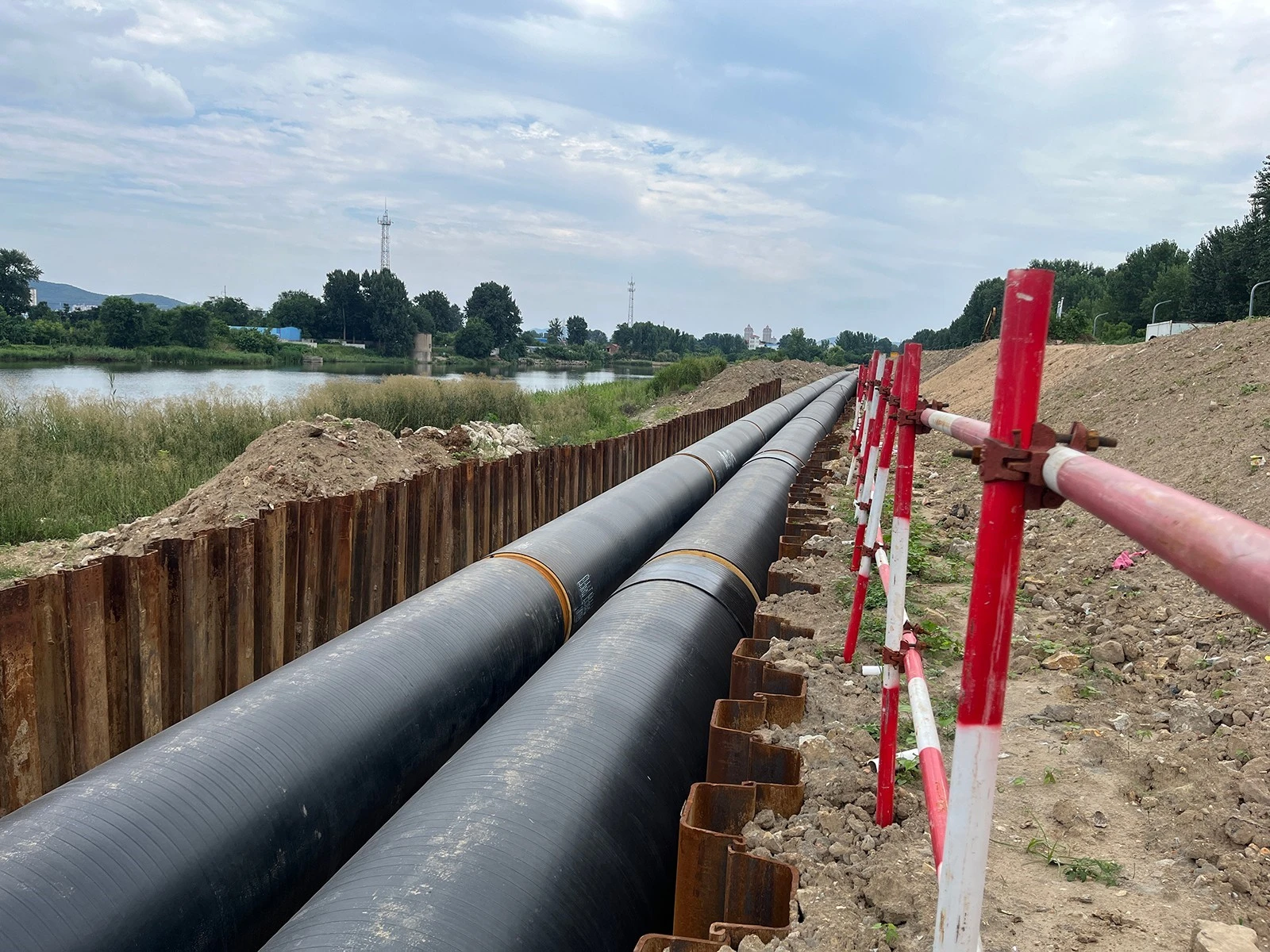
The most straightforward method for monitoring thermal displacement is the installation of displacement indicators. By establishing observation points at critical locations-such as expansion joints, fixed supports, and elbows-operators can periodically measure the axial displacement of the pipeline and compare these figures against design values to determine whether they remain within permissible limits. While this approach is simple and cost-effective, it requires manual on-site measurement, resulting in discontinuous data.
A more systematic approach involves installing an online monitoring system. Displacement or strain sensors are placed at key nodes along the pipeline to collect real-time data on displacement and stress, which is then transmitted to a monitoring center via remote terminal units. The system automatically triggers an alarm if displacement or stress values exceed pre-set thresholds. This method provides continuous data and rapid response, though it entails a higher initial investment.
Regular field inspections are equally essential. Operational personnel should inspect the condition of expansion joints, check for detached supports, and look for any abnormal deformation in the pipeline-all of which are visible indicators of thermal displacement. Inspections should also include checking the welds on fixed supports for cracks and ensuring that the sliding surfaces of movable supports remain smooth and functional.
The value of thermal displacement monitoring lies in the early detection of issues. Excessive pipeline displacement rarely occurs abruptly; rather, it is a gradual process. Through continuous monitoring and routine inspections, corrective measures can be taken before displacement reaches a dangerous level, thereby preventing major accidents.