


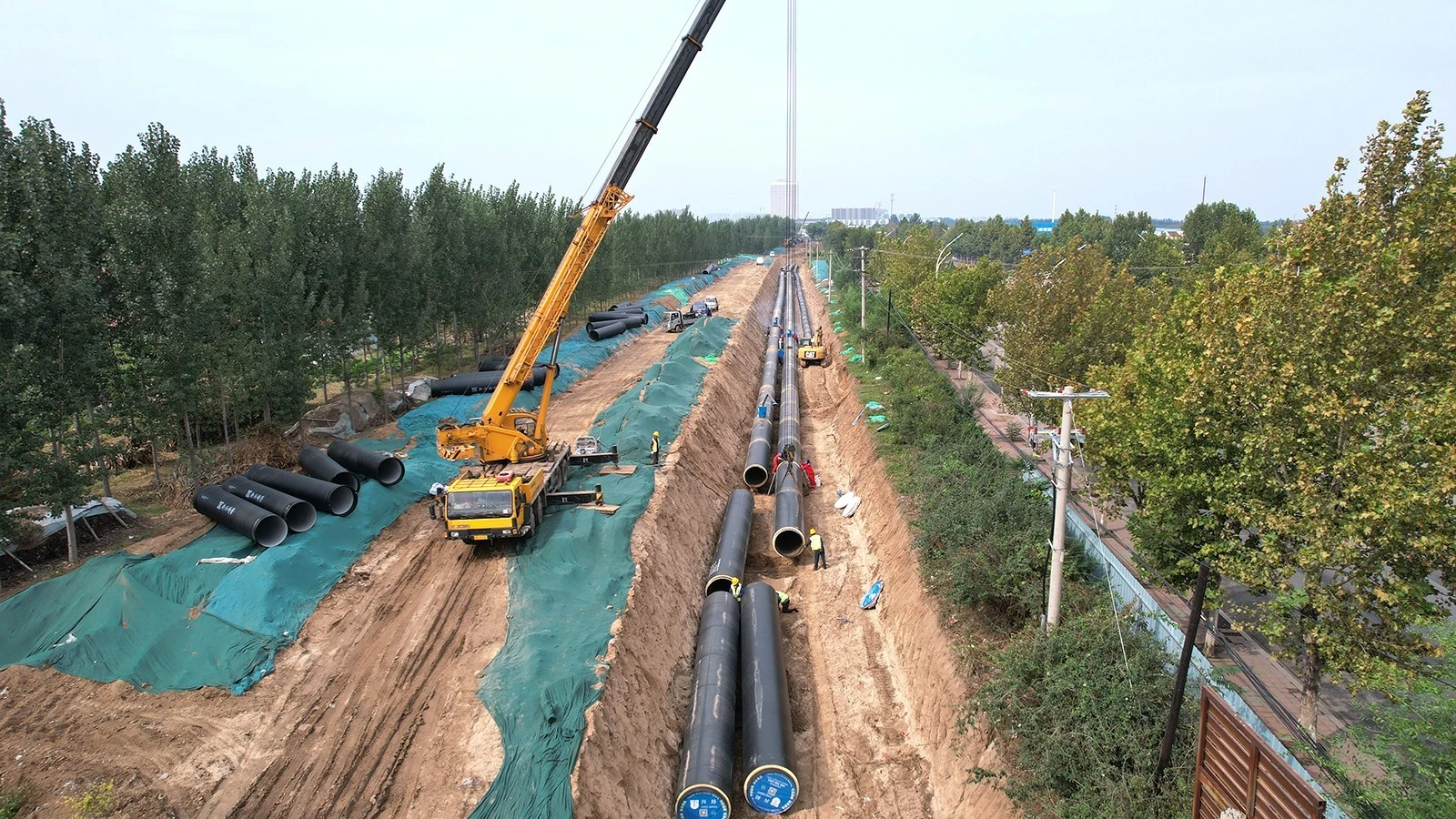
Renovating aging pipeline networks differs from new construction projects; constraints include limited construction space, a complex maze of existing underground utilities, and tight operational timeframes. Simply applying the selection criteria used for new projects can lead to on-site complications. The following outlines key considerations regarding installation methods, medium temperatures, pipe dimensions, and construction conditions.
The choice of installation method must be tailored to site-specific conditions. Direct burial is the standard approach when sufficient underground space exists. However, in older residential areas, utility corridors are often already crowded with gas, sewage, and telecommunications lines, making it impossible to create new paths for direct burial; in such cases, an overhead installation becomes a viable alternative. Overhead pipes differ structurally from direct-burial pipes: they typically feature an outer protective layer of galvanized steel or aluminum sheeting rather than high-density polyethylene (HDPE) casing, while retaining an internal polyurethane insulation layer. Crucially, because overhead pipes are exposed to the elements, the metal outer casing must be UV-resistant, and drainage valves should be installed at appropriate intervals to prevent condensate accumulation at low points.
The temperature of the conveyed medium dictates the pipeline structure. Primary hot water network pipes typically operate between 110°C and 130°C, a range that standard prefabricated polyurethane direct-burial insulated pipes can accommodate. If the renovation involves steam pipelines with medium temperatures exceeding 200°C, a "steel-in-steel" composite insulation structure is required. Pipe diameter and insulation thickness also require recalculation. Design standards for aging networks may be outdated, and changes in heating areas and user loads often mean original pipe diameters are no longer suitable. During renovation, flow rates should be recalculated based on actual current heat loads to determine the appropriate pipe diameter. Insulation thickness must be verified against current energy-efficiency standards to ensure the outer casing surface temperature meets safety requirements and that operational heat loss remains within an economically reasonable range.
Construction conditions also influence specific selection details. For direct-burial sections, if the trench is narrow, products with an outer casing wall thickness of at least 4.5 mm should be selected to withstand impacts from hard objects-such as rocks-during backfilling. In areas with high groundwater levels, a test report confirming the foam's closed-cell ratio and compliance with waterproofing standards should be required. For elevated pipeline sections, the locations of pipe piers or supports must be planned, and thermal expansion compensation needs to be properly addressed. Renovation projects for aging pipeline networks often face tight schedules and must be completed before the heating season begins; therefore, it is advisable to prioritize manufacturers who have experience with similar projects and can guarantee timely delivery. Proper equipment selection is essential to ensure the stable operation of the renovated network.