


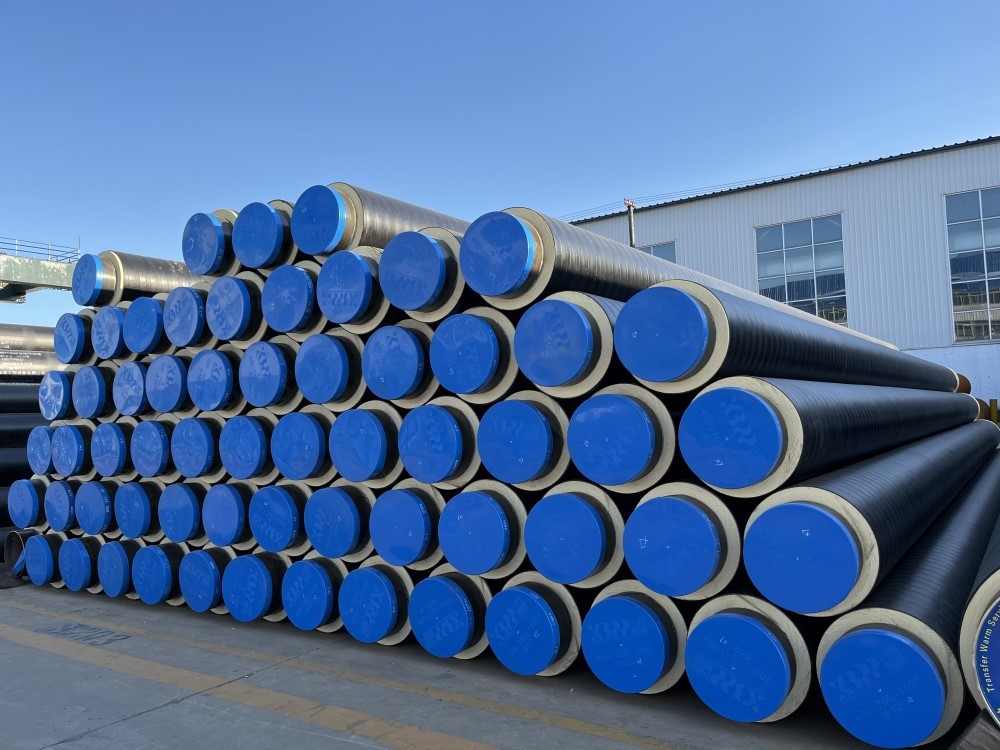
Polyurethane prefabricated buried insulation pipes, known for their excellent thermal insulation and energy-saving performance, are widely used in urban heating, cooling, and industrial pipeline systems. Their unique insulating structure not only significantly reduces heat loss but also enhances the overall durability and service life of the pipeline system. However, the manner in which backfilling is carried out during construction has a significant impact on the safety and long-term performance of the pipeline.
During the installation and backfilling process of polyurethane prefabricated buried insulation pipes, strict adherence to construction specifications is essential. Failure to follow proper procedures may result in compressive damage to the pipes. Standardized backfilling practices require the use of suitable backfill materials, along with layered compaction, to ensure adequate density and stability of the surrounding soil. In addition, it is critical to avoid the use of heavy mechanical equipment that could cause excessive or uneven compaction, potentially damaging the pipeline.

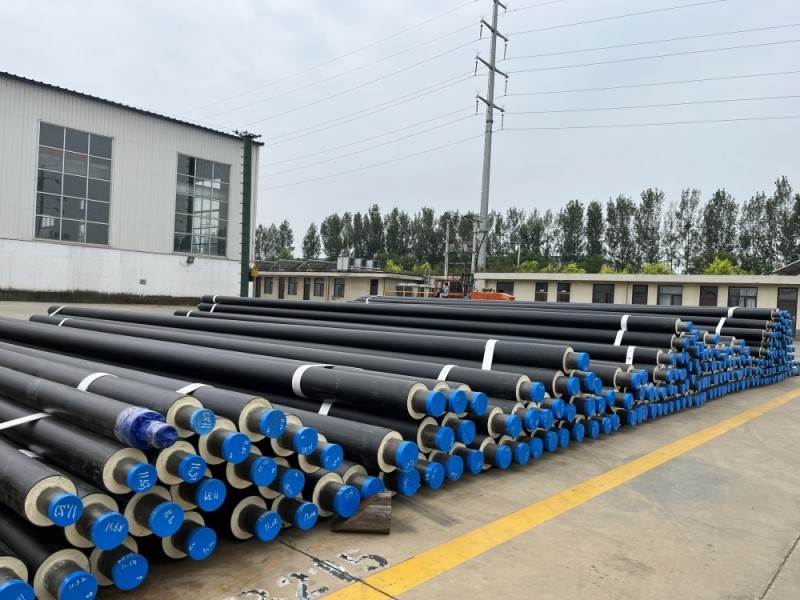
Improper or aggressive backfilling techniques can subject the pipeline to excessive pressure, leading to deformation or even structural damage. Such issues not only compromise the functionality of the pipeline but may also pose serious safety hazards, endangering both property and human life.
Therefore, during the construction and backfilling of polyurethane prefabricated buried insulation pipelines, it is imperative to strictly follow established guidelines and technical specifications. By employing appropriate backfill materials and scientifically sound methods, the integrity and longevity of the pipeline can be ensured, while minimizing heat loss and improving the overall efficiency of the system.
