


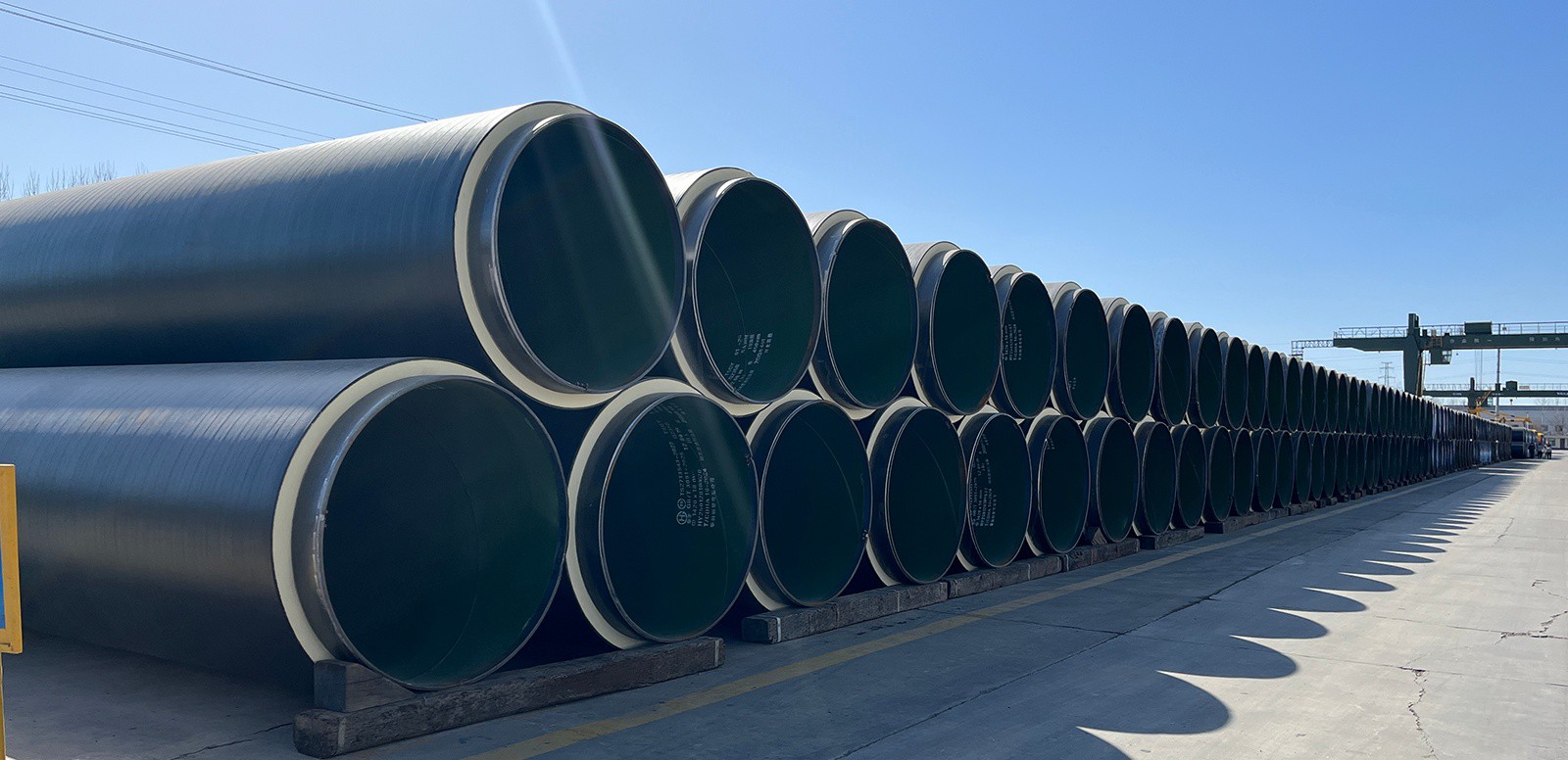
In urban district heating systems, pre-fabricated polyurethane direct-buried insulation pipes serve as the underground "main arteries" for transporting thermal energy. Whether these pipes can successfully achieve their designed service life of up to thirty years hinges critically on the precise control of their operating temperature. Temperature is not merely a factor in energy efficiency; it constitutes the very foundation of the pipeline's long-term structural safety and operational stability.
Engineering practices and established standards clearly define the safe temperature boundaries for these pipes: the temperature during long-term continuous operation must not exceed 120°C, while short-term peak temperatures must be kept within 130°C. Within this safe operating range, the polyurethane insulation layer maintains a stable physical structure and a consistent closed-cell ratio, thereby ensuring enduring excellence in thermal insulation performance, compressive strength, and watertight sealing.
Should the temperature of the transported medium persistently exceed this critical threshold, the standard pipe structure faces a severe challenge. Sustained high temperatures trigger irreversible thermal aging in the polyurethane material-manifesting as foam carbonization, shrinkage, and a precipitous drop in mechanical strength-leading to a drastic decline in insulation efficiency and, ultimately, compromising the structural integrity of the entire pipeline, thereby significantly shortening its service life.
To address such high-temperature operating conditions, the prevailing solution currently employed is the "composite insulation" structure. A typical implementation involves wrapping the inner steel working pipe with a layer of high-temperature-resistant material-such as aluminum silicate fiber blankets or aerogel felts-to serve as an inner insulation layer that effectively isolates the core high-temperature zone. An outer layer of polyurethane is then applied to provide additional thermal insulation and physical protection. In this configuration, the inner layer withstands the impact of high temperatures, while the outer polyurethane layer operates within its safe temperature range to deliver optimal performance, thereby achieving a harmonious balance between high-temperature resistance and efficient thermal insulation.
Selecting an insulation solution that is appropriately matched to the specific operating conditions is a critical consideration for ensuring both the long-term safety and economic viability of the system. Only through precise technical design and the judicious application of materials can a pipeline network achieve reliable operation and effectively maintain thermal integrity.